森村泰昌さんと杉本祐子さんの個展などを銀座でハシゴして

 先週の木曜、銀座のいくつかのギャラリーなどを自転車でまわった。


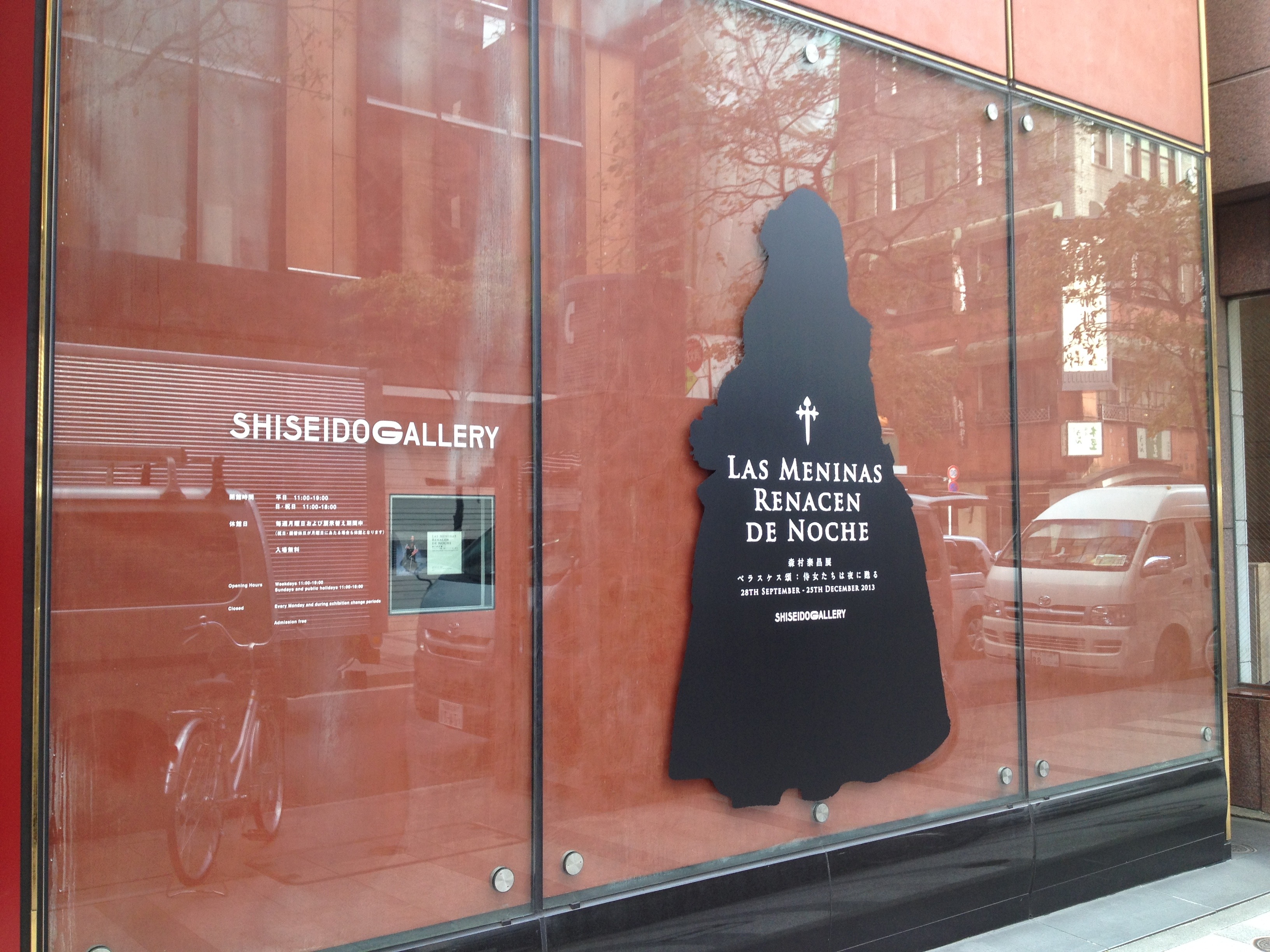
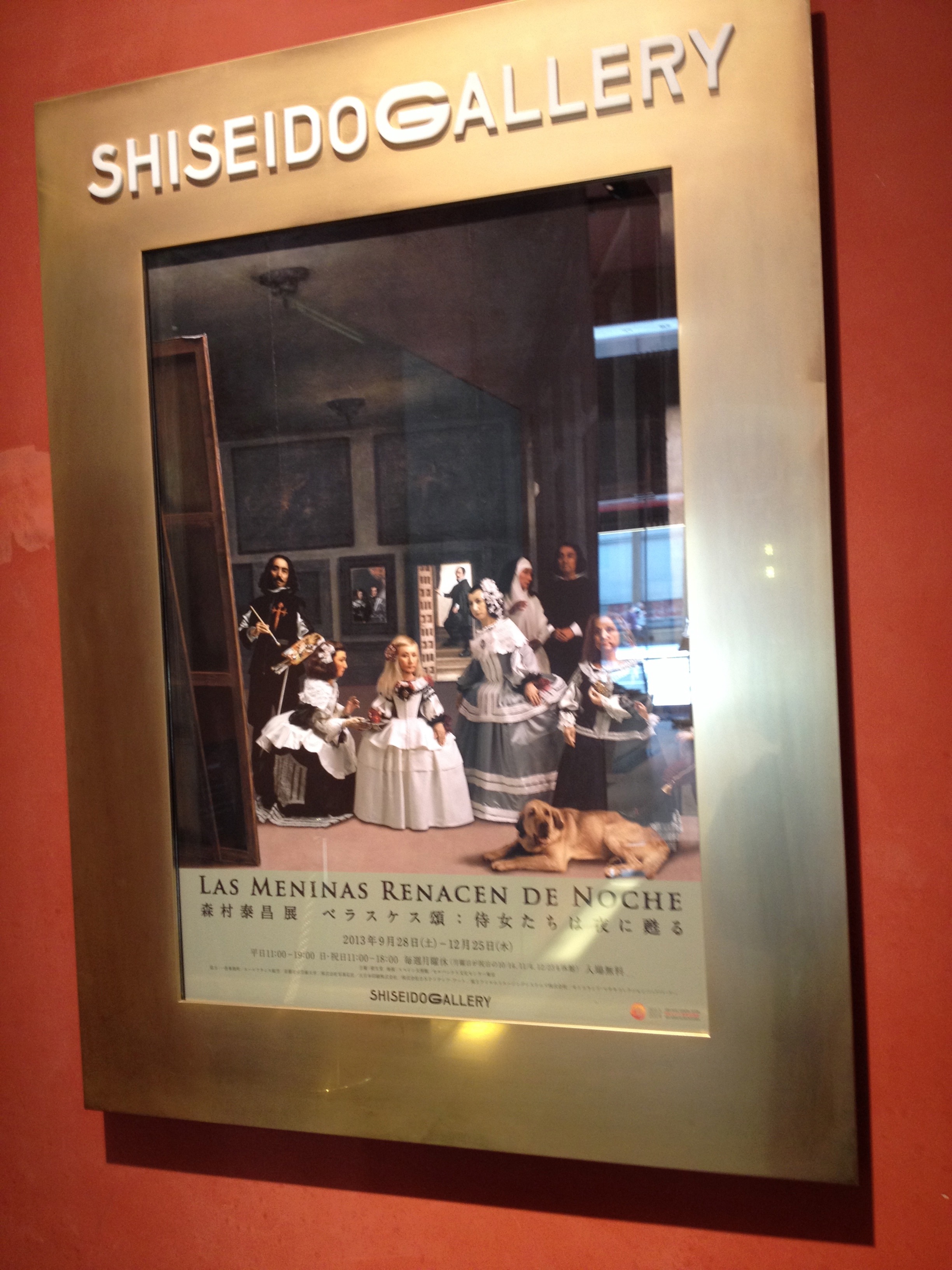
 最初に訪れたのは、銀座の中ではどちらかというと新橋に近い資生堂ギャラリーでの『LAS MENINAS RENACEN DE NOCHE 森村泰昌展 ベラスケス頌:侍女たちは夜に甦る」』(9/28〜10/25)。バロック期のスペインの画家、ディエゴ・ベラスケス(1599〜1660年)の代表作のひとつ、「ラス・メニーナス(女官たち)」の登場人物を、森村泰昌さんが一人で演じているもの。会場での説明文にも「一人芝居」と書かれたいたので、一人で演じているといってもいいだろう。この絵に描かれた登場人物(ベラスケス本人も登場していてユニーク)をすべて森村さんが演じ、さらに描かれた空間の中からとらえた、さまざまなアングルの作品が全8幕の連作に仕上げられている。この作品は森村さんにとって大掛かりであるため、森村さん自身が客員教授を務める京都芸術大学のスタジオで、学生さんたちと約2週間かけて制作されたという。その制作風景などはこちらの映像で目にすることができる。


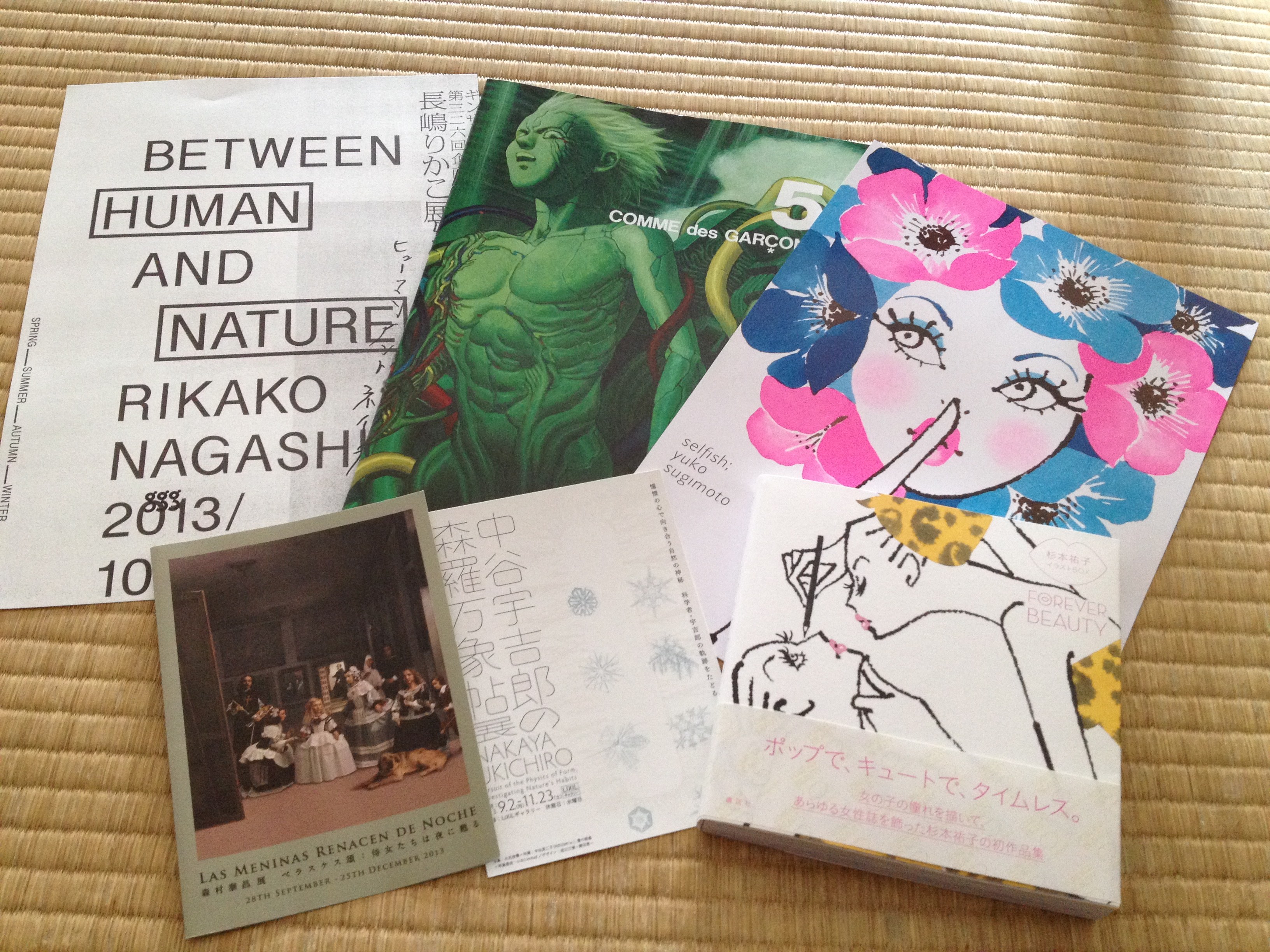
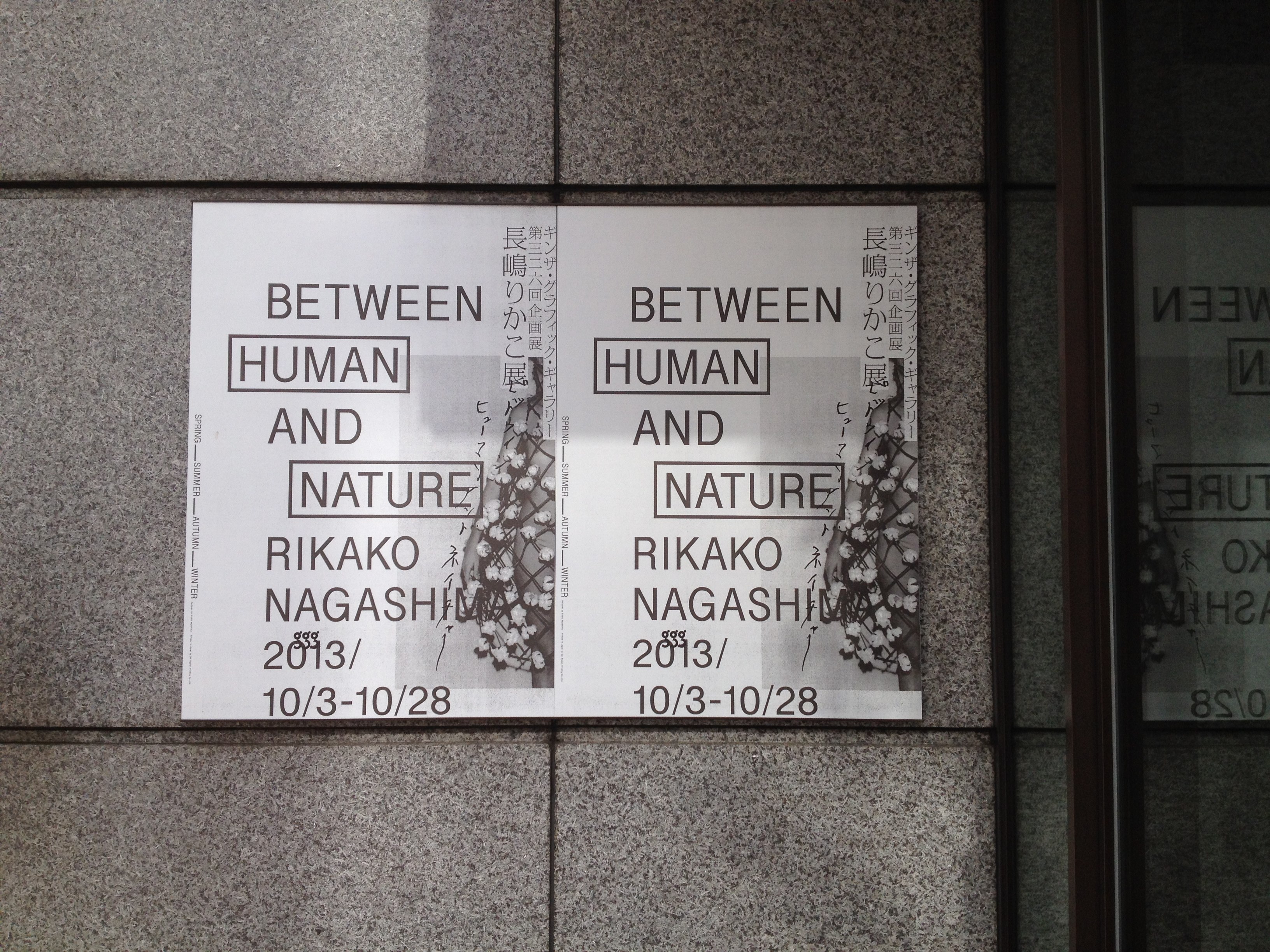
 次に訪れたギンザ・グラフィック・ギャラリー(ggg)では、『長嶋りかこ展 ビットウィンヒューマンアンドネイチャー(BETWEEN HUMAN AND NATURE RIKAKO NAGASHIMA)』開催(10/3〜10/28)。このギャラリーでこれまで目にした展覧会では、過去の作品を集めたものか、会場を想定して新たに制作された企画展が多かったという印象があり、その意味では1階が企画展、地階は長嶋さんのポートフォリオのような会場構成ともいえるが、1階に展示されていたのは、生活に身近な“身にまとうもの”であるという点が、かなり個性的に思えた。つまり、長嶋さんが提案するファッションといってもよく、会場で試着、販売されていた。ラフォーレ原宿などの広告のアートディレクターを務める長嶋さんらしいアプローチととらえることもできるかもしれないが、ブティックのように仕上げられた会場(1階)に意表をつかれた。


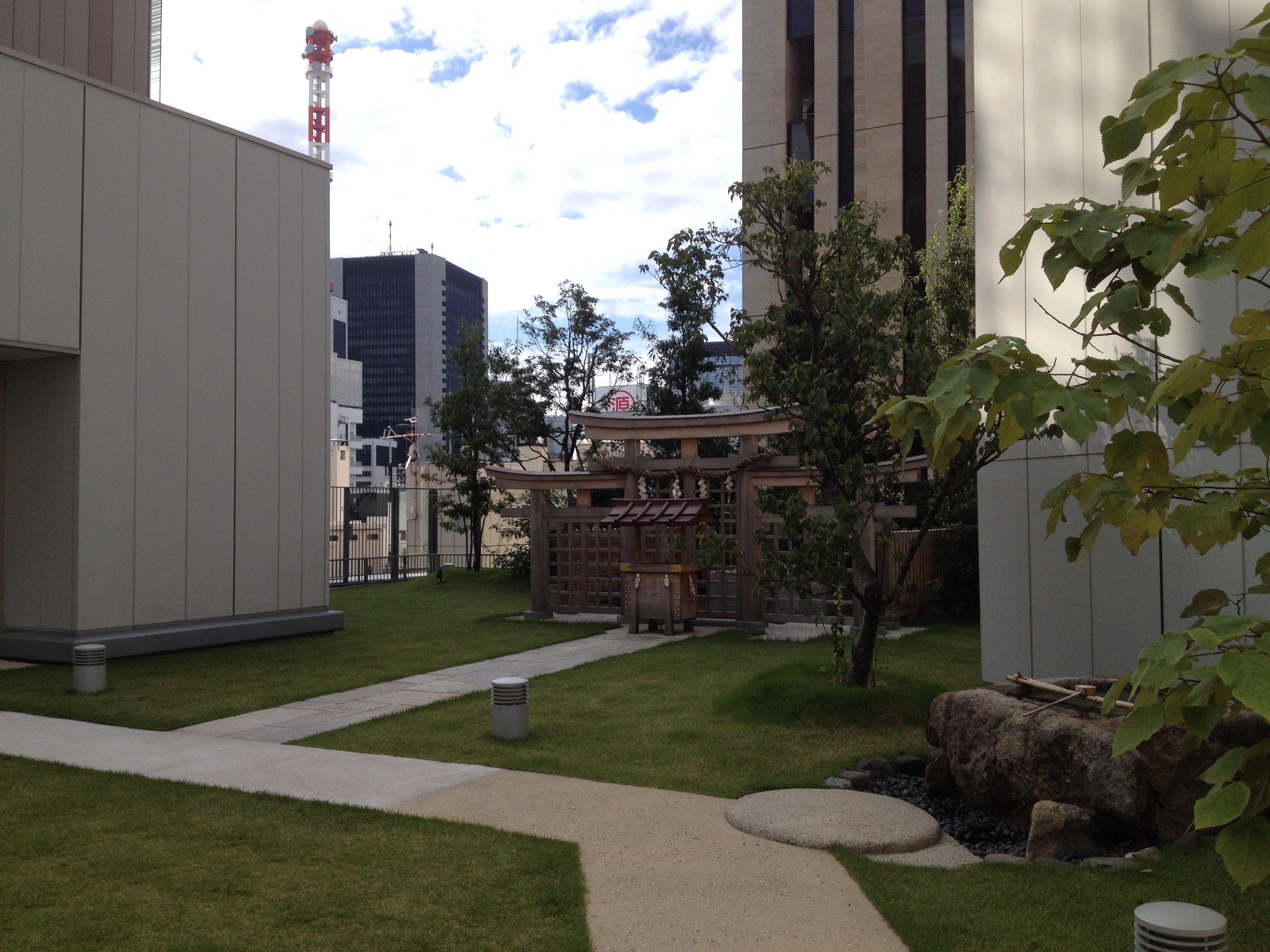
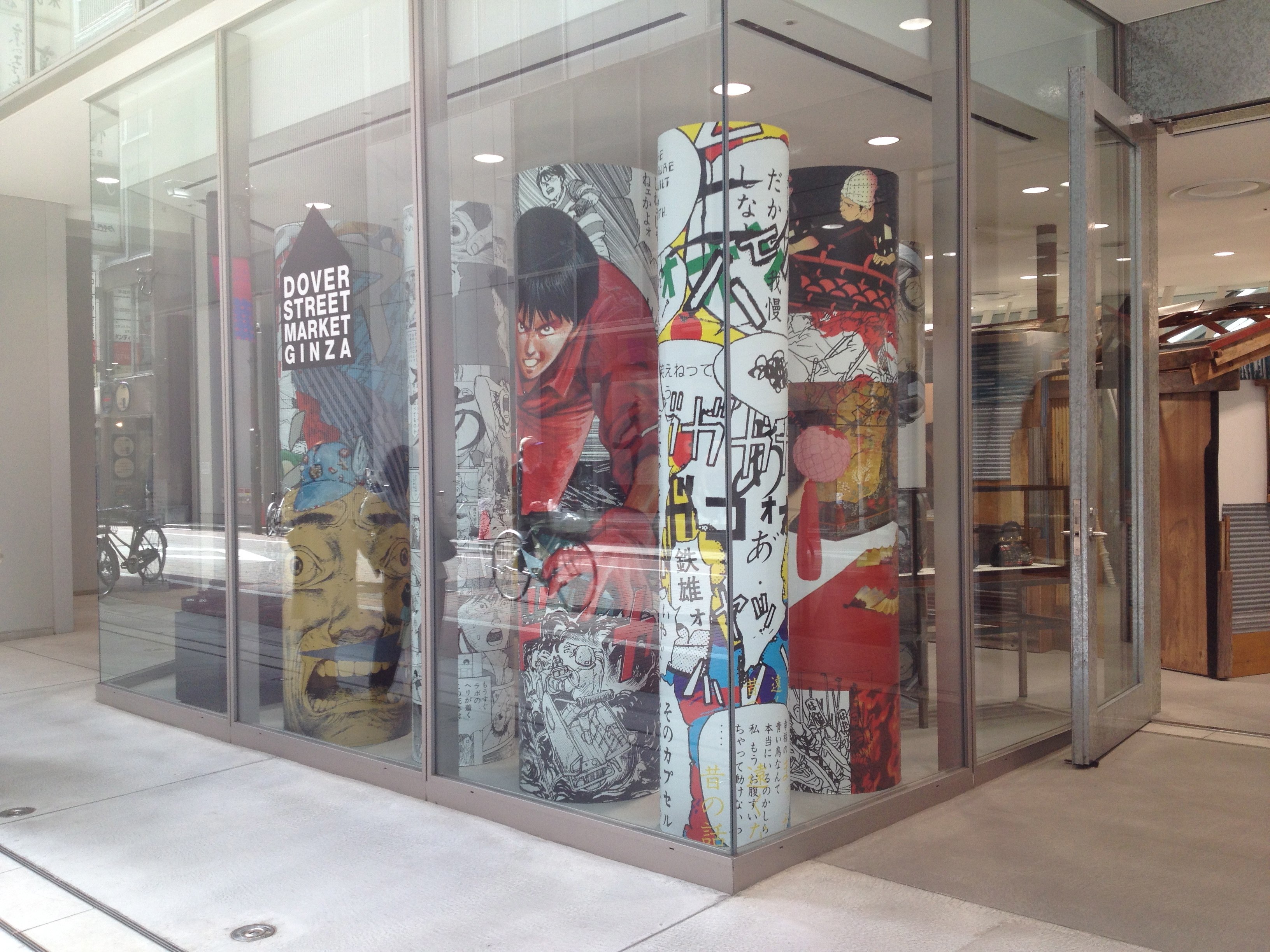
 その後、すぐ近くにあるドーバーストリートマーケット ギンザをのぞく。ここは、川久保玲さんがディレクションするコンセプトストアで、川久保さんのコムデギャルソン グループのブランド以外のショップも入っていて面白い。屋上の神社にお参りもできて、銀座の真ん中に近い場所とは思えない体験ができた。


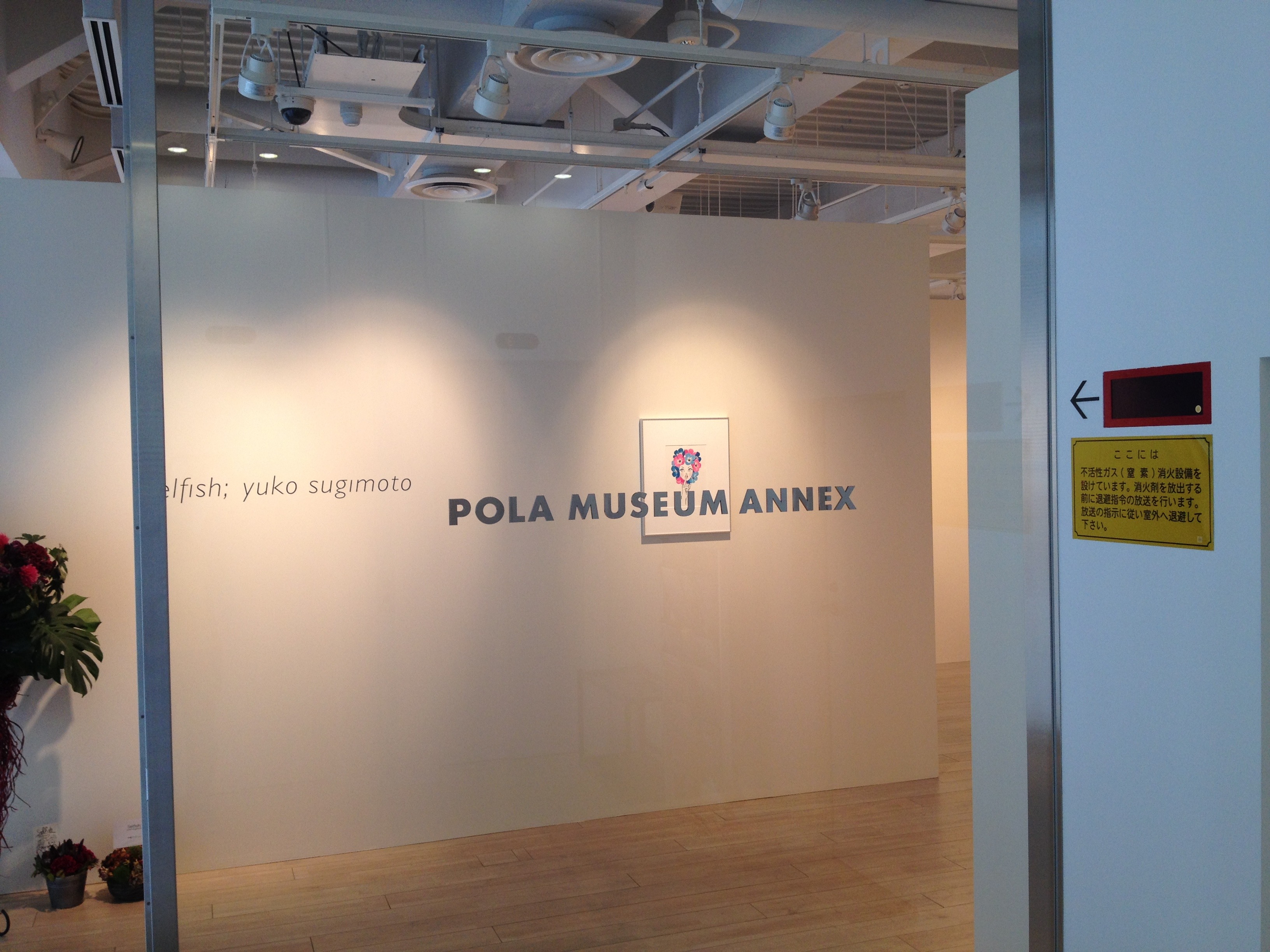
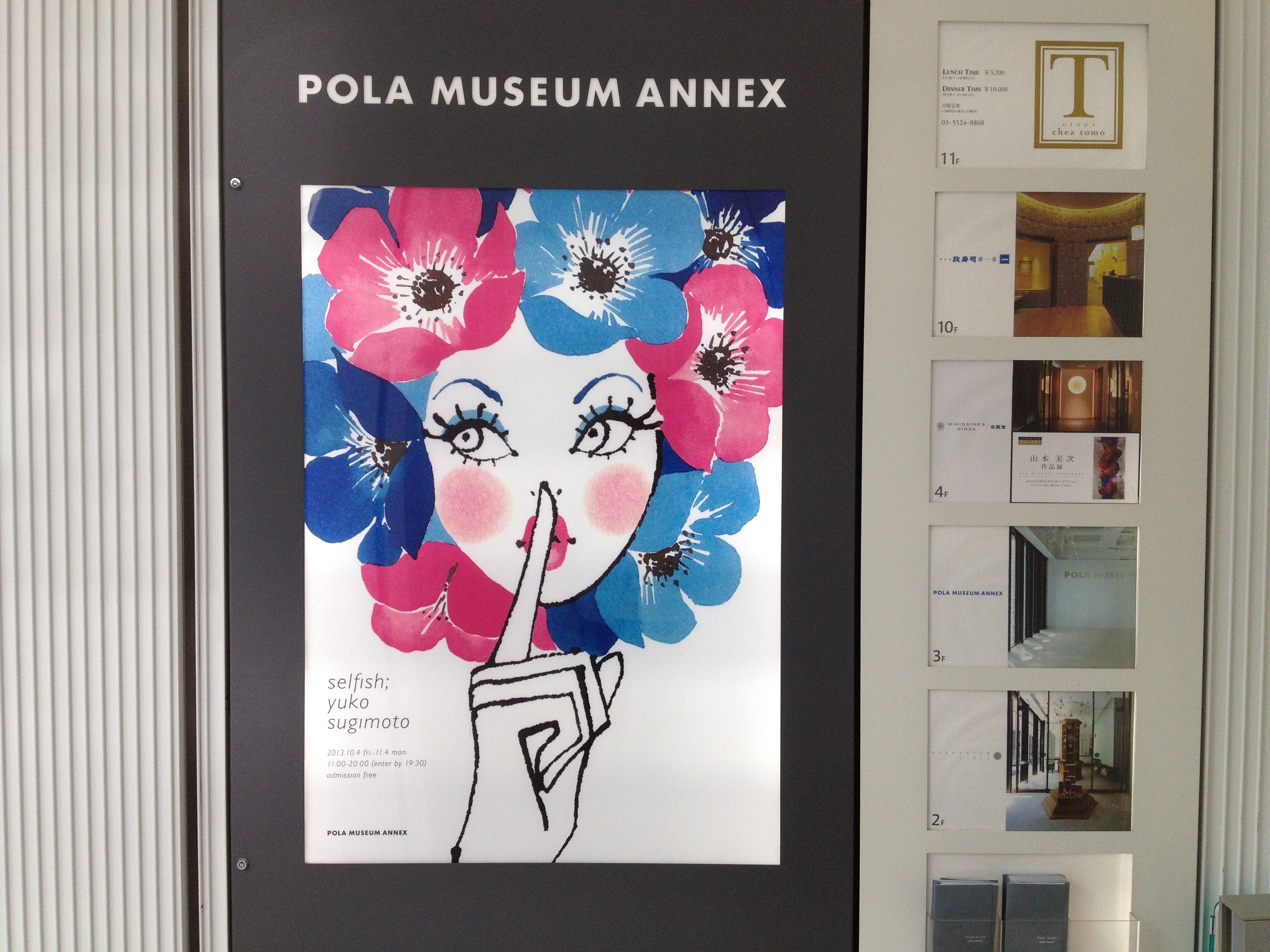
 その後、京橋方面へ移動し、ポーラ ミュージアム アネックスの『selfish;yuko sugimoto』(10/4〜11/4)へ。イラストレーターの杉本祐子さんは僕の高校時代の同級生で、3年前に同窓会で再会できたと思ったら、それからほどなくて夭折してしまった。いわゆる画材だけであく、化粧品まで用いて描かれたファッショナブルなイラストを見ていたら、惜しい才能をなくしてしまったという思いがあらためて強くなった。もちろん、個人的にも残念でならないが、優れたイラストレーターを失ったことによる損失も少なくはないだろう。と書きつつ、さまざまな記憶が甦っていて正直つらくなってしまうので、多くは語らないでおく。
 あ、ひとつ付け加えておくことにする。前出の森村泰昌さんの女優シリーズの撮影メイクアシスタントを杉本祐子さんがある時期務めていて、その二人の展覧会が同時期に銀座1丁目と8丁目で開催されているのは、ただの偶然かもしれないけど不思議な巡り合わせに思えた。
(『selfish;yuko sugimoto』大阪展は、中之島デザインミュージアムで11/8〜17開催)


 この日の締めくくりは、京橋のLXILギャラリー(以前のINAXギャラリー)で、妻にすすめられた『中谷宇吉郎の森羅万象貼展』(9/2〜11/23)へ。雪の結晶などを研究し、世界で初めて人工雪をつくる方法を編み出したという中谷宇吉郎の熱心さ、真摯さに感銘を受ける。物理学者であり、俳人・随筆家でもある寺田寅彦に師事したという中谷宇吉郎は文章力にも優れ、岩波書店などから書籍を上梓している。
 LXILギャラリーの書店で読んだ、雑誌『考える人』に掲載された村上春樹の寄稿文や、たまたま目にして手にとった俳優・山崎努さんの『俳優のノート』も興味深かった。同書は、山崎さんが舞台「リア王」に出演するまでを日記形式で綴ったもので、俳優とは何か、演技とは何ぞや、といったことへの山崎さんなりの考えがしるされているといっていいだろう。文庫版の解説は香川照之さんが書いていて、俳優なら必読、俳優でなくても読むべきだというように熱く語っている。
 

杉本祐子さんの作品集のデザインはグルーヴィジョンズ。嶽本のばらさんのショートストーリー「クウィーン・スカル」所収。


Comments

“森村泰昌さんと杉本祐子さんの個展などを銀座でハシゴして” への7,057件のフィードバック

  1. StevenWorのアバター
    StevenWor

    This is the brutal truth: the majority of HVAC failures occur because someone ignored a step. Did not calculate the load properly. Used cheap equipment. Got wrong the insulation needs. We have fixed dozens of these failures. And every time, we file away another learning. Like in 2017, when we started adding smart thermostats to each system. Why? Because Sarah, our lead tech, got sick of watching homeowners burn money on poor temperature control. Now clients save $500+ yearly.

    https://unsplash.com/@hafgarkobe

  2. StevenWorのアバター
    StevenWor

    Here’s the harsh truth: the majority of HVAC failures occur because someone skipped a step. Failed to calculate the load properly. Used incorrect equipment. Misjudged the insulation needs. We have fixed countless of these failures. And each time, we record another lesson. Like in 2017, when we began adding WiFi controls to every install. Why? Because Sarah, our lead tech, got tired of watching homeowners burn money on inefficient temperature management. Now clients save hundreds yearly.

    https://zandervvfs826.raidersfanteamshop.com/why-energy-efficient-hvac-systems-fail-without-proper-commissioning

  3. StevenWorのアバター
    StevenWor

    Here’s the harsh truth: most HVAC failures take place because someone skipped a step. Failed to calculate the load properly. Used undersized equipment. Misjudged the insulation needs. We’ve personally fixed dozens of these messes. And every time, we remember another learning. Like in 2017, when we began adding remote monitoring to every installation. Why? Because Sarah, our senior tech, got tired of watching homeowners waste money on bad temperature settings. Now clients save $500+ yearly.

    https://connertxkk119.timeforchangecounselling.com/western-washington-home-comfort-why-installation-quality-beats-equipment

  4. StevenWorのアバター
    StevenWor

    Let me share the harsh truth: the majority of HVAC failures happen because someone ignored a step. Failed to calculate the load properly. Used undersized equipment. Got wrong the insulation needs. We’ve personally fixed countless of these disasters. And each and every time, we remember another learning. Like in 2017, when we began adding remote monitoring to all system. Why? Because Sarah, our master tech, got sick of watching homeowners lose money on bad temperature control. Now clients save 20-30% yearly.

    https://www.longisland.com/profile/calvingabq/

  5. StevenWorのアバター
    StevenWor

    Here’s the harsh truth: the majority of HVAC failures happen because someone ignored a step. Failed to calculate the load correctly. Used undersized equipment. Miscalculated the insulation needs. We’ve personally fixed countless of these disasters. And each and every time, we file away another lesson. Like in 2017, when we began adding remote monitoring to every install. Why? Because Sarah, our master tech, got frustrated of watching homeowners waste money on bad temperature management. Now clients save $500+ yearly.

    https://www.protopage.com/rewardvexn#Bookmarks

  6. Dr. James Filliben received his Ph.D. from Princeton University in 1969, and has worked in the Statistical Engineering Division (SED) of the National Institute of Standards and Technology (NIST) for 37 years. His primary research interests are in exploratory data analysis and statistical graphics, design of experiments, distributional and computational modeling, and uncertainty/sensitivity analysis. He is currently the Leader of the SED Statistical Modeling and Analysis Group, is a Fellow of the American Statistical Association and received its Youden Award, and has received two Gold Medals, one Silver Medal, and One Bronze Medal from the U.S. Department of Commerce. Dr. Filliben is the author of over 75 technical papers, and has presented over 200 talks on statistics to a variety of audiences. He is also the author of Dataplot, an interactive, multiplatform, integrated graphics and analysis software system for scientists and engineers.
    Environmental concerns today are in some ways disturbingly similar and at the same time strikingly different from those that catalyzed the first Earth Day 37 years ago. Water pollution and air pollution led the list then, followed by loss of habitat and perhaps species; the concerns were local to regional. Today, in many parts of the world, there are similar place-based concerns: shortages of clean and accessible freshwater, health threatening changes in the chemistry of the atmosphere, severe degradation of terrestrial and aquatic ecosystems, increases in soil erosion, loss of biodiversity, alterations of the coastal zone, and declines in fisheries. But it strikes me that now we have a greater appreciation of the interconnected and ubiquitous nature of these difficulties.
    There is also a concern today that was barely apparent on Earth Day in 1970. We now know that human activity has altered significantly the environment at the global scale: the climate of the planet and the fundamental global biogeochemical cycle, the carbon cycle. Regarding the latter, the values of important state variables, such as the concentration of atmospheric CO2, are moving into a range unprecedented during the past 25 million years.
    The increase in the atmospheric CO2 concentrations (as well as other greenhouse gases) due to human activity has produced concern regarding the heat balance of the global atmosphere, and this shift in the heat balance will force the global climate system in ways that are not well understood, given the complex interactions and feedbacks involved. There is general agreement that global patterns of temperature will warm and precipitation will change, though the magnitude, distribution, and timing of these changes are far from certain.
    He has been a visiting scientist at the International Institute of Meteorology at the University of Stockholm, the Woods Hole Oceanographic Institution, the East-West Center in Hawaii, and, a visiting senior scientist at the Laboratorie de Physique et Chemie Marines at the Universite de Paris.
    Steven J. Dick is the Chief Historian for NASA and Director of the NASA History Office. He obtained his B.S. in astrophysics (1971), and MA and PhD (1977) in history and philosophy of science from Indiana University. He worked as an astronomer and historian of science at the U. S. Naval Observatory in Washington, D.C. for 24 years, including three years on a mountaintop in New Zealand, before coming to NASA Headquarters in 2003. Author of numerous books and publications translated in various languages, his latest work Societal Impact of Spaceflight, will be forthcoming in 2007.
    The talk will highlight a number of accomplishments and findings by the CALIPSO mission including new views on clouds in the polar night, plumes of Saharan dust transported across the Atlantic Ocean, veils of thin tropical cirrus clouds near 50,000 ft, and smoke from the burning of large fires across the globe.
    Dr. Dave Winker is the Principal Investigator for the CALIPSO satellite mission. He received his Ph. D. in Optical Sciences from the University of Arizona in Tucson in 1984, where he designed and constructed a CO2 lidar for measurement of atmospheric transmission and aerosol backscatter cross-sections in the thermal infrared. Later, as a research staff member of the Air Force Weapons Laboratory, he did research in atmospheric turbulence and its effects on imaging systems. In 1989, Dr. Winker joined NASA Langley Research Center and employed ground-based and airborne lidars to study volcanic aerosols in the stratosphere and cirrus clouds and later served as the Deputy Project Scientist for the Lidar In-space Technology Experiment (LITE), which flew as primary payload on the STS-64 mission in September 1994. He research interests span a broad range of topics related to the study of aerosol and clouds using lidars and other remote sensing instruments.
    During World War II , the United States Military, like so much of the nation, was segregated. Jim Crow Laws kept blacks from entering public places such as libraries, restaurants, and movie theaters. Although African Americans served in the armed forces, they were restricted in the types of jobs and positions they could hold. On April 3, 1939, Public Law 18 was passed which provided for an expansion of the Army Air Corps. One section of the law offered hope for those African Americans who wanted to advance their military careers beyond the kitchen or the motor pool. It called for the creation of training programs to be located at black colleges which would prepare blacks for service in a variety of areas in the Air Corps support services.
    From 1941 to 1946 over 2000 African Americans completed training at Tuskegee and nearly three quarters of them qualified as pilots while the remainder were trained as navigators or support personnel. The 99th Pursuit Squadron was activated and became the 99th Fighter Squadron in May 1942. The Tuskegee Airmen saw combat in over 1500 missions in Europe and North Africa. Not one of the bombers that the Tuskegee Airmen escorted was lost to enemy fire; the 99th Fighter Squadron is the only U.S. squadron to hold that distinction during the Second World War.
    Although the Tuskegee Airmen played an integral part in the outcome of World War II, their most important victory was the one at home. Due to the bravery, tenacity, and success of the Tuskegee Airmen, President Harry S. Truman desegregated the United States Military in 1948. Almost six decades later, Congress approved a bill to honor the Tuskegee Airmen with the Congressional Gold Medal in 2006.
    One key event took place while he was working in crash and rescue that he will never forget. During one aircraft incident, he heroically helped remove, then Col B. O. Davis, Jr, from his damaged plane upon landing at locbourne Air Force Base. This unselfish act, among others, sealed their relationship for life. (Col Davis was the leader of the famed Tuskegee Airmen who became the first black three-star general and later received his fourth star in retirement).
    In 1956, he was relocated to McGuire AFB, NJ and retrained into the electronics field as a weapons systems technician. He spent the greater portion of 1958 and 1959 in technical schools at Lowry AFB, CO and Hughes Aircraft Plants, taking advanced courses on weapons systems. He was subsequently assigned to Langley AFB, VA where he worked as a weapons systems technician in the 48th Fighter Interceptor Squadron from 1960 to 1965. He went from there to McGuire, AFB, NJ and worked as an Electronics Operational Readiness Inspector until his retirement as a MSgt in 1967.
    After retirement, he taught in the Newport News School System for approximately one year and worked with the Navy at NAS, Norfolk, VA for 18 years, as a Computer Technician Supervisor, before retiring for the second time.
    His educational achievements include many military courses, an Associate Degree in Computer Science from Trenton State University, Trenton, NJ and a BS Degree in Industrial Engineering from Ohio Saint Matthew University in Columbus, OH.
    Lt Col West holds a bachelors in Electrical Engineering from Purdue University, Masters in Aeronautical Sciences from Embry Riddle and a Masters in Military Operational Art and Science from Air University.
    A current challenge to climate modelers is to refine global scale products to make predictions at the regional level. The available 100 year climate scenarios for Virginia predict temperature increases from 3.5oC to as high as 6.5oC clustered in the summer months, and rainfall patterns varying between drier and wetter in total amount, sometimes with a wetter spring but drier fall months, and often with more extreme rainfall events. These warm and wet, or warm and dry scenarios have clear implications for change in natural resources.
    Virginia sits at a number of important biological community boundaries where animal and plant types, both terrestrial and aquatic, change in north-south and east-west directions. Climate, and particularly temperature, is a causative agent in determining these boundaries. A transect from west to east across the landscape of Virginia encompasses remarkable biological diversity, From the forested foothills of the Appalachians an observer passes through the coastal plains that support a mixture of forestry and agriculture, to freshwater wetlands, to the Chesapeake Bay with its fringing marshes, sea grasses, oysters, crabs and finfish, to the coastal barrier islands, and onto the inner continental shelf.
    In this lecture I argue that the biological diversity within and the geographical location of Virginia makes it an excellent natural laboratory in which to study the impacts of climate change, that these impacts are emerging in all natural systems within the state, and that they are cause for concern.
    How did we get here? Where are we headed? Dr. John Mather will tell the history of the universe in a nutshell, and describe what our future holds within the realm of discovery. Dr. Mather is Project Scientist for the James Webb Space Telescope (JWST), which is planned for launch in 2013. As a successor to the Hubble Space Telescope, the Webb telescope will look even farther back in time and examine the first stars and galaxies that were created after the big bang. JWST will be the largest telescope mirror ever placed in space and with a positioning of 1.5 million miles away from earth, the Webb telescope will be able to unravel some of the biggest mysteries of the universe. https://drive.google.com/file/d/1dJ6wGMTztBpnnVNpZpJaoJ9dCYVsAPgp/view
    68cf12514e ivangla

  7. I’ve a Windows 7 VM, with a 100 GB virtual drive size. Initially, this VDD spent 40 GB on the host storage. Once it’s zeroized, the VDD eats for real 100 GB on the host. And qemu-img -c … creates a 91 GB, which is not at all what I expected.
    Thanks to @dyasny, I made a small test with virt-sparsity. I cleaned up the W7 VM disk, disable hibernation, so the VDD only consumes 20 GB. Degraded the disk again, and ran again sdelete -z. Running virt-sparsity with the –compress flag gives a 80 GB virtual drive. Far from what I would have hoped.
    EDIT-2016-02-16:”Refreshing” this question because the method to shrink a VM discussed here is very efficient but has a major drawback: it deletes all VM snapshots. If someone knows how to shrink a VM while preserving snapshots, feel free to share!
    To shrink a Windows Guest OS, you have to shrink the partition inside the guest, shutdown the VM, create a new smaller disk of the desired size, copy the data from the old disk to the new smaller disk, swap the disk names and reboot the VM.
    In this step, we’ll just reduce our windows partitions directly from Windows. The resulting disk image at the end of this step will be the sum of the boot partition, the C: drive (reduced) and a leftover unused space that we will delete (by not copying it over to a new disk).
    The procedure is not really a shrinkage, but instead we’re going to create a new disk (of the final size) in which we will copy the two partitions from the original disk, and skip carrying over the unused space.
    The goal is to create a disk whose total size = boot partition + C: partition. We’ll also end up with some tiny leftover space (unless your math was perfect) not to worry about because we’ll deal with in the last step.
    Notice that we have /dev/sda1 which is our windows boot partition of 350 MB, /dev/sda2 which is our C: partition of now 34 GB and that the total disk image /dev/sda/ is of 100 G leaving us with a bunch of space to trim.
    Notice the tool found the surplus of space… recall the comments about Math… So you can cancel that and recreate the disk or just move on as we do here and expand the sda2 partition as is done on STEP 3.
    I finally managed to really shrink the VM space. At the beginning, the W7 VM ate 107 GB on the host storage. The virtual HDD size is 100 GB and currently, the VM only eats 18 GB of its virtual storage.
    When you run qemu-img -c, you compress the image, which, while being able to reduce some space, can really hurt performance. If you want to deduplicate the zeroes on the disk, you need to run qemu-img convert, basically as if you’re trying to convert the image from one format to another (even if the src and dst formats are the same).
    You just need to “hole punch” or “sparsify” the empty space. To do that, you need the space to contain only 0’s and holes. A filesystem’s “empty space” is just unallocated, but may contain old junk data, not 0’s. So the first step is to zero it. There are tools to do that, but here’s an easy minimal way to do it…
    Punch holes. There are a few ways to do this… here is a fast way, using a python script. First stop the vm, then run the script on the disk file(s). If it’s a qcow2 file or another format, it should work the same, but there might be something I am forgetting, or simply an easier way.
    And be aware that a hole is not allocated, so the file is not all in one place; the filesystem may become fragmented, hurting performance. This should not be in any way noticable on typical Linux/UNIX filesystems unless you were very low on space while writing files, but just be aware of the possibility. It is recommended to keep at least 10% free space to avoid fragmentation.
    Also, there are tools that do other things too… like zeroing only the non-zero empty space (so they don’t grow before you punch holes), zeroing swap too, doing it while online (probably requires hypervisor support), etc.. I tried these ways and found they all were terribly unreliable, sometimes barely shrinking 5% as much as manually zeroing it does, so I won’t even bother listing the tools; others can list their favorites.
    You may want to disable System Restore or delete any existing volume shadow copies in the VM disk. That alone can take up lots of space, and will appear hidden to the filesystem. Then run sdelete and zero out the free space, after a vm reboot.
    Hi everyone, I am trying to migrate some VM from Hyper-V 2012 R2 to openstack. Most VM are gen2 and EFI enabled. Most of my VM are windows server 2012 R2.Below are the steps i followed for gen2: – Install VirtIO (all of them) drivers while VM is booted on the Hyper-V host- Converted the vhdx to qcow2 using cloudbase qemu-img- installed OVMF on compute nodes-Imported the qcow2 file into glance and set hwfirmwaretype=uefi- created instance from image FAILURE: windows not booting and getting message “your pc ran into a problem and needs to restart. We’re just collecting some error info and then we wil restart for you”
    I managed to boot windows with the same image by setting “hwdiskbus=ide” however i can’t attach any secondary volume to the instance since it will only attach as /dev/hda/ instead of “/dev/vdb” and windows guest cannot see it.
    Hi Lucian, thank you for your answer. I ended up setting a KVM host outside of openstack and booted my converted VM as IDE. Once the VM is booted i added a second disk as virtio disk this time, which triggered Windows to somehow “correctly” instal the viostor and vioscsi drivers knowing that i have already installed these drivers using pnputil while the VM was on hyper-v..I then shutdown the VM changed the bootable disk to VirtIO and rebooted, and windows guest booted normaly, which allowed me to move it to Openstack. It is a bit longer process but i can move forward. I hope this will help anyone in the future.
    Virtio drivers can even be installed offline using dism.exe. We have some scripts that prepare Windows images which may serve as an example: -openstack-imaging-tools/blob/master/Examples/create-windows-cloud-image.ps1
    Anyway, the fact that the instance boots when using IDE makes me think there’s something wrong with the virtio drivers. Double check that those are properly installed (especially viostor/vioscsi). If so, you can try a different version.
    I want to setup a Windows domain controller with terraform libvirt provider from my Ubuntu host machine. Instead of using autounattend.xml file, my plan is to create a new VM in virt-manager through the GUI using the Windows ISO. Then I setup the machine by clicking next,next etc until I am logged in on it. Then I shut down the vm adn then I have the dc.qcow2 vile in /var/lib/libvirt/images
    Btw on the machine that I set up manually, I ran: virsh dumpxml windowsdc, and I saw there are two disks: qemu qcow2 /var/lib/libvirt/images/windowsdc.qcow2 qenu raw /path/to/iso which is CDROM, and the it uses service sdb on the SATA bus
    I did not know that, thank you for the info, although I thought VirtIO was the fastest non-emulated driver, why use SCSI, is it slower (apologies for my lack of knowledge).OK, I have just added a 2nd SCSI HDD in the Virsh VM (with VirtIO SCSI controller), booted the VM and made sure SCSI drivers are all good. Shutdown the VM, then change the Boot drive from VirtIO to SCSI, rebooted the VM, all good. I then shutdown, converted the qcow2 image, copied to LXD VM location (as per above), and now the Windows LXD VM boots fine, no issues.Thanks for your help.
    virtio-scsi in general is far easier for guests to support properly and offers a more traditional PCI layout (controller with bunch of drives attached) which was convenient for us. This also means virtio-scsi can handle up to 16383 drives per target and up to 255 targets whereas virtio-blk is limited to just 28 drives.
    This is a guide, to take VDI image of Windows 10 from VirtualBox and migrating it over to Virt-Manager while also adding some other bits to provide all the nice features you have grown to enjoy on VirtualBox like clipboard sharing and automatic screen rescaling and exposing the file system of the Linux host OS to the Windows guest OS
    Note: Due to the spaces in the folder names, the backslash \ is an escape character to allow for the use of spaces in the terminal. Alternatively, you can use quotes but the easiest way is to start typing the location and use the Tab key to auto fill the location.
    This does take a while, depending on the size of the file and the speed of your system. It also looks like nothing is happening for a while, when it does complete, the terminal will return to the command prompt.
    To verify that the conversion was a success, you can type ls -lh to see that the size of the qcow2 is a reasonably appropriate size, so, something in the GB range. I would also recommend you put it where QCOW2s are normally stored for Virt-Manager.
    Another great feature to have is to be able to share data from the host operating system to the guest operating system. To get this rolling open the Windows VM but ensure that the guest operating system is shut down.
    The VirtIO Guest tools are essential components for improving the performance and functionality on hypervisors like KVM/QEMU. This is especially necessary for passing through the host file system to the virtual machine. To install this follow this link.
    It would be nice if all this could be wrapped up into a single click and go process, much as it is on VirtualBox. The additional features are easy to install on the VirtualBox application and the guest side can easily have an ISO mounted to it at the click of a button. I do believe that the user experience is really quite nice when you are running VirtualBox. It would be a welcome improvement to Virt-Manager to have these functions built in too.
    The auto resizing of the guest windows is not as clean as it is in VirtualBox. It is a bit unreliable in how it behaves. This is annoying but not a deal breaker. I just wish it was a bit more polished.
    All that said. If not for my need to run several other VMs somewhat regularly and it is not possible to run KVM at the same time as VirtualBox, it was necessary to make this move. KVM with Virt-Manager has been great in my current line of work on many accounts. I appreciate how easily I am able to accomplish many of the tasks I wish with great efficiency. There just happens to be some room for improvement. https://drive.google.com/file/d/1Dz173ZOvVf-hTDdK6uQVNZh1aL02VfZL/view
    68cf12514e grayterr

コメントを残す

メールアドレスが公開されることはありません。 が付いている欄は必須項目です